tools are available for software composition analysis
Modern software development relies heavily on open-source libraries, third-party packages, and external frameworks to improve productivity and deliver applications faster. While these components provide valuable functionality, they can also introduce security vulnerabilities, outdated dependencies, and licensing challenges. Organizations need effective solutions to understand what components exist within their applications and how those components affect security and compliance. Software composition analysis tools help development and security teams identify, monitor, and manage risks associated with open-source software throughout the application lifecycle.
A wide range of tools are available to help organizations analyze software dependencies and maintain visibility into their applications. These solutions are designed to scan source code, binary files, containers, and package repositories to identify third-party components. They compare detected components against vulnerability databases and license information sources to provide insights into potential risks. The choice of tool often depends on factors such as application size, development environment, security requirements, and integration needs.
One category of tools focuses on open-source dependency scanning. These tools automatically examine application files and dependency manifests to create a complete software inventory. They identify direct and indirect dependencies, including libraries that may be included through other packages. This visibility helps organizations understand the complete structure of their applications and detect components that require updates or additional security review.
Some solutions are designed specifically for integration into developer workflows and continuous integration pipelines. These tools allow security checks to occur during the development process rather than after software deployment. Developers receive alerts when they introduce vulnerable or non-compliant components into their projects. Early detection allows teams to fix issues quickly, reducing the cost and effort associated with resolving security problems later in the software lifecycle.
Enterprise-level platforms provide broader capabilities for organizations managing large software environments. These solutions often include centralized dashboards, reporting features, policy management, and integration with existing security systems. Security teams can use these platforms to monitor multiple applications, track vulnerability trends, and establish consistent rules for managing open-source components across the organization.
Cloud-based tools have also become popular because they provide flexible deployment options and easier scalability. Organizations can analyze applications without maintaining extensive internal infrastructure. These platforms often support multiple programming languages, development environments, and software delivery models. They are useful for businesses that need continuous monitoring of applications across distributed teams and cloud-based systems.
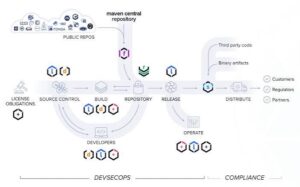
What tools are available for software composition analysis?
Many tools also focus on license compliance management in addition to security analysis. Open-source components come with different licensing requirements, and organizations need to ensure that their usage follows legal and business policies. These solutions identify license information associated with each component and highlight potential conflicts. This helps businesses avoid compliance issues when distributing software products or using external libraries in commercial applications.
Vulnerability intelligence is another important feature offered by many analysis platforms. These tools connect with security databases that contain information about known vulnerabilities, severity ratings, and affected software versions. When a vulnerable dependency is discovered, the system can provide details about the issue and suggest possible remediation steps. This allows security teams to prioritize the most critical risks and respond more effectively.
Developer-focused solutions often provide recommendations directly within coding environments. These tools can alert programmers about risky dependencies while they are writing or reviewing code. By providing security information at the point of development, they encourage developers to make safer choices when selecting libraries and packages. This approach helps create a security-focused development culture without disrupting productivity.
Open-source tools are also available for organizations that prefer community-supported solutions or require customizable analysis capabilities. These tools can provide dependency detection, vulnerability identification, and reporting features without requiring commercial licensing. However, organizations using open-source solutions may need additional effort for configuration, maintenance, and integration compared with fully managed platforms.
Selecting the right tool requires careful evaluation of organizational needs. Companies should consider factors such as supported programming languages, database coverage, reporting capabilities, integration options, automation features, and scalability. A tool that works well for a small development team may not provide enough visibility for a large enterprise with thousands of applications. Understanding these requirements helps organizations choose solutions that provide meaningful security improvements.
The effectiveness of any tool depends on how well it is integrated into existing security and development processes. Automated scanning provides valuable information, but teams must review findings, prioritize risks, and apply appropriate remediation actions. Combining technology with strong security practices creates a more reliable approach to managing software dependencies.
As applications continue to depend on open-source technologies, organizations must maintain awareness of the components they use. software composition analysis tools provide essential visibility into dependencies, vulnerabilities, and licensing concerns. By selecting appropriate solutions and incorporating them into development workflows, businesses can reduce risks, improve compliance, and build more secure software environments while continuing to benefit from modern software development practices.